Standard Environmental Requirements for Efficient Ice Making
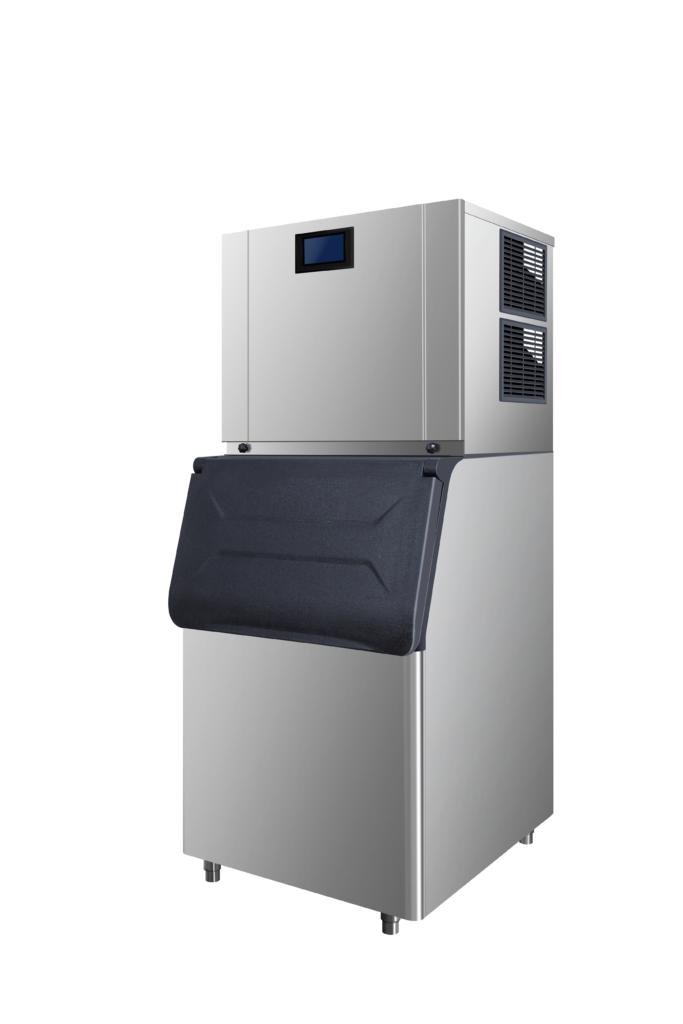
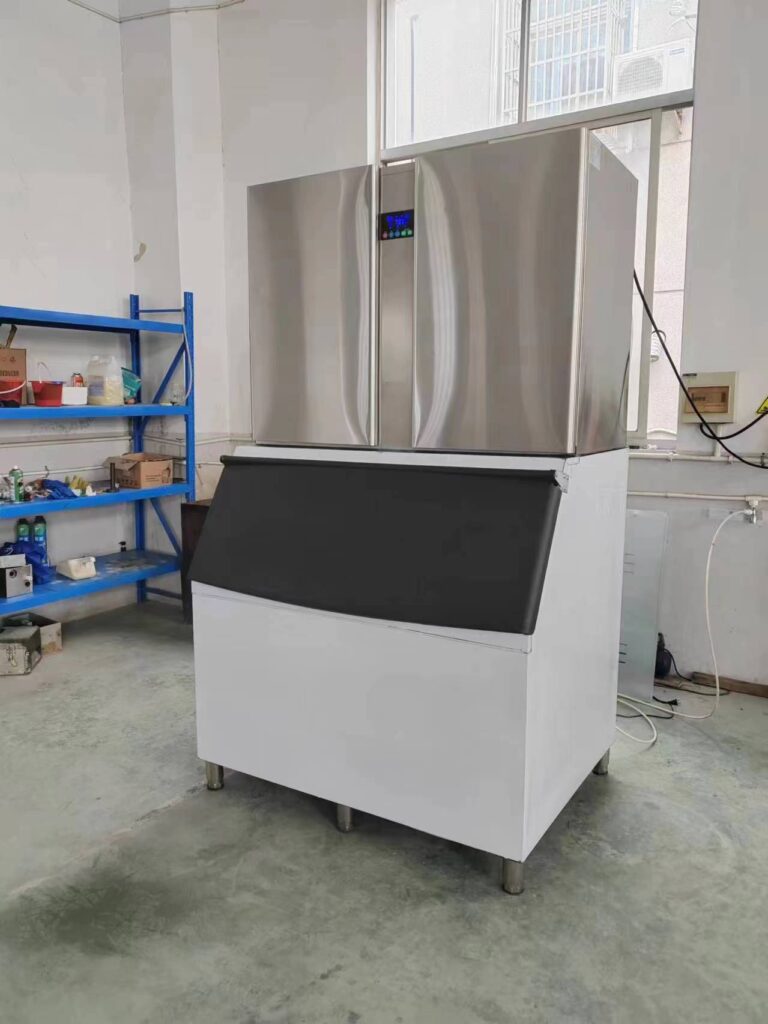
Ice makers can operate stably and efficiently under normal room temperature for household and general store use. However, if the indoor temperature exceeds 32℃ in summer, or the equipment is placed next to kitchen stoves, exposed to direct sunlight outdoors, or confined in narrow enclosed spaces, heat dissipation will be hindered, resulting in a sharp drop in refrigeration efficiency. This will directly cause slow ice making, thin ice cubes and intermittent ice-making shutdowns. A cool, shaded and well-ventilated environment is the basic condition to ensure the efficient operation of ice makers.
This simple debugging method is especially suitable for commercial ice makers for milk tea and catering stores, stall-specific ice makers and large-capacity household ice makers, which can effectively solve the problems of insufficient ice supply and slow ice production during peak periods.
1.If the ice maker has long-term low ice-making efficiency, frequent ice shedding failures and uneven batch ice output, it is mostly not a mechanical failure, but caused by water quality problems, scale accumulation and poor heat dissipation.
2. Place the ice maker away from heat sources such as stoves, heaters and direct sunlight to reduce refrigeration system loss caused by ambient temperature.
3. Do not turn the machine on and off frequently during peak ice consumption periods. Keep the equipment on standby to avoid increased energy consumption and slower ice-making rhythm caused by repeated startup.