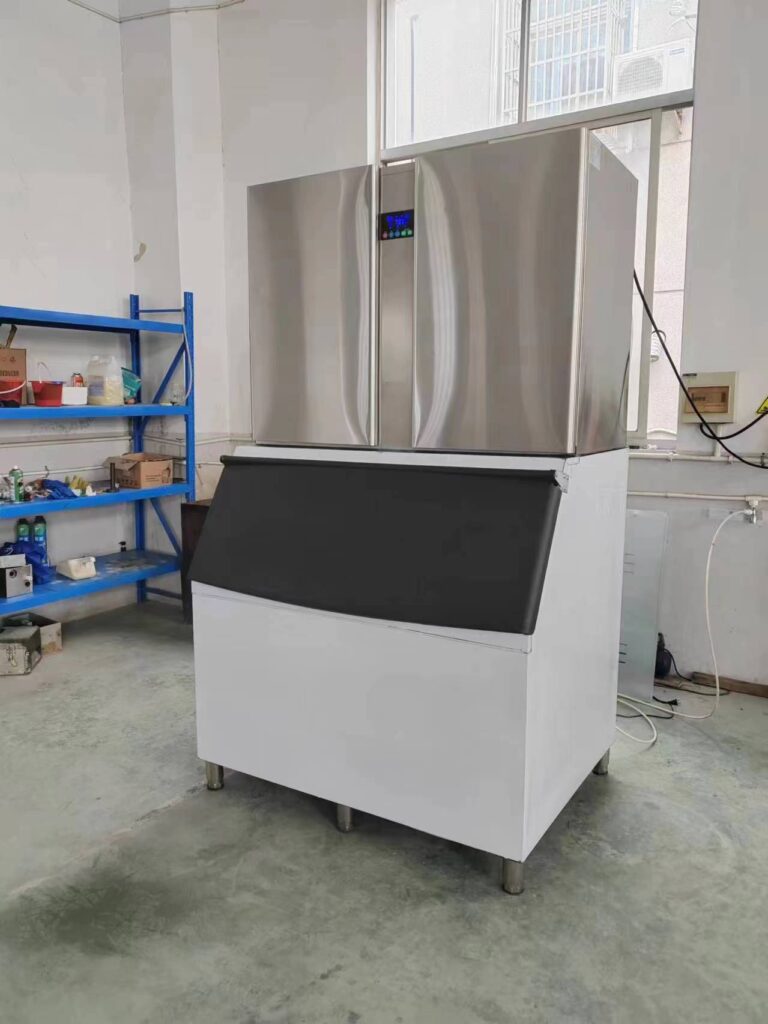
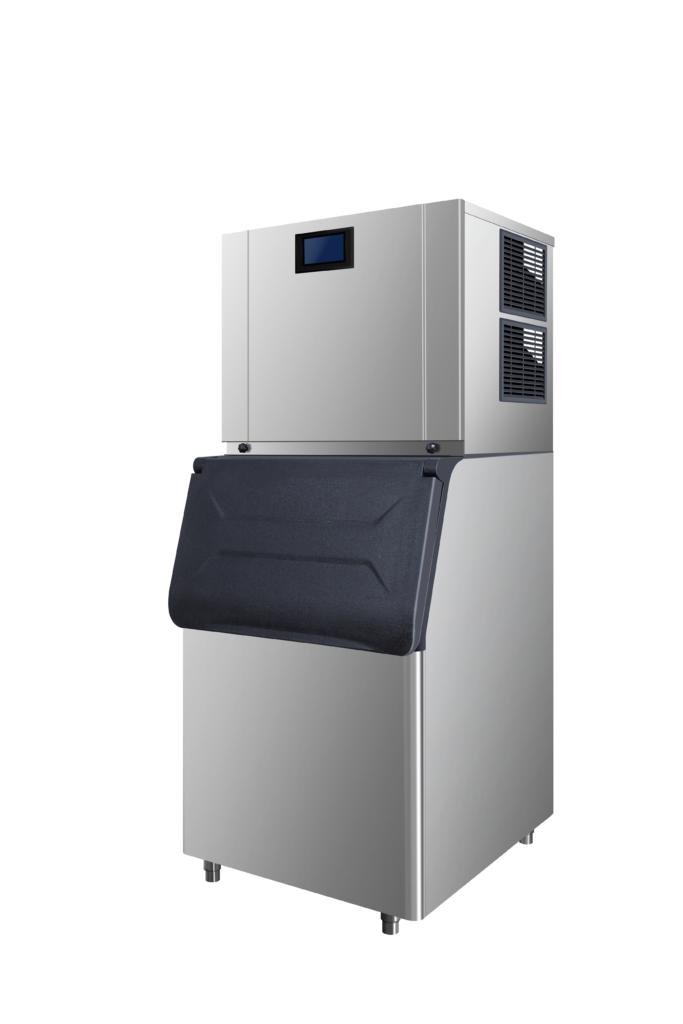
Many businesses and users are unaware of the proper maintenance frequency and usage guidelines for ice makers. Overly frequent cleaning is time-consuming, laborious, and damages the equipment. Conversely, neglecting cleaning and improper use can lead to problems such as cloudy ice, slower ice production, equipment jamming, and bacterial growth, affecting not only the user experience but also significantly shortening the ice maker’s lifespan.
Standard Maintenance Cycle for Regular Ice Makers
For everyday commercial and household ice makers, a deep cleaning and maintenance is recommended every 1-2 months.
In areas with normal environments and good water quality, a simple monthly cleaning of the machine body and ice storage compartment is sufficient. A deep cleaning of the water system, filter, and evaporator should be performed every two months. In high-frequency use scenarios such as milk tea shops, restaurants, and night markets, or in areas with hard water, a deep cleaning every 20-30 days is recommended to prevent scale and grease buildup from affecting ice production.
Simple Daily Cleaning, No Disassembly Required
Between two deep maintenance sessions, simple daily cleaning can be performed to easily maintain the cleanliness of the equipment.
After daily shutdown and idle period, wipe the exterior of the machine, the inner wall of the ice storage tank, and the ice outlet with a clean, lint-free soft cloth. Using a dedicated ice maker disinfectant and cleaning wipes, you can quickly remove surface dust, water stains, and light limescale without disassembling and rinsing the machine. This is suitable for quick cleaning after daily closing, saving time and increasing efficiency.
This simple cleaning method is especially suitable for high-frequency commercial ice makers, small household countertop ice makers, and ice-making equipment that is left idle for extended periods, effectively preventing bacterial growth and unpleasant odors in the ice.
Important Note: Common Equipment Faults and Solutions
If the ice maker is slow to produce ice, produces thin ice cubes, produces cloudy or whitish ice, or melts ice quickly, it’s usually not due to equipment damage, but rather to clogged filters, scale buildup in the water system, or poor heat dissipation.
In areas with hard water, limescale easily forms, adhering to the evaporator and inlet filter, hindering cooling and water intake. A dedicated ice maker descaling agent can be used to gently dissolve limescale without damaging the machine’s internal components. If frequent malfunctions, ice-making failure, leaks, or unusual noises persist after self-cleaning, it is recommended to contact professional after-sales personnel for repair. Do not disassemble the machine yourself.
Quick Tips for Using the Ice Maker
- Let the machine stand for 2 hours before use to ensure proper lubrication and reduce wear and tear.
- Use room temperature water for the water inlet throughout the process. Do not use hot or boiling water to prevent damage to the refrigeration system.
- Ensure adequate ventilation around the machine, away from oil fumes, direct sunlight, and enclosed corners to guarantee proper heat dissipation.
- When not in use for extended periods, drain any accumulated water, dry the ice storage compartment, disconnect the power, and seal the machine to prevent mold growth and rust.
- Regularly check the power cord and water inlet pipe to prevent aging wiring and blockages in the pipes, ensuring safe operation.